Buying a Home With Zero Down: Which Loan Programs Work for You
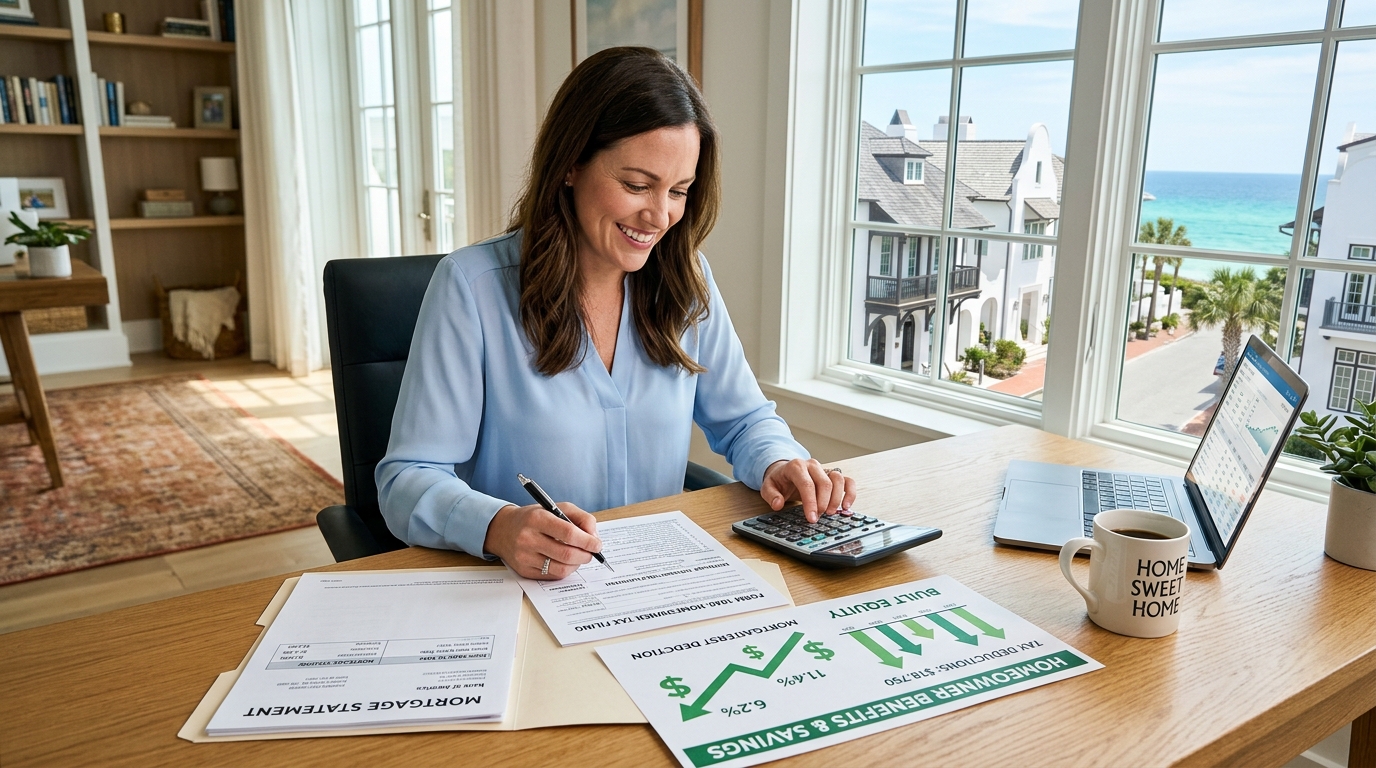
When people tell me they can't afford a home because they don't have enough saved for a down payment, I get it. The traditional narrative says you need 20% sitting in the bank before you can even think about homeownership. But that narrative is outdated, and honestly, it's kept too many families from achieving their dreams of owning a home.
The reality in 2026 is that you can buy a home with no money down, but only if you are eligible for certain types of home loans. I've helped numerous clients in Rosemary Beach and the surrounding areas take advantage of these programs, and I want to share what I've learned so you can explore whether you might qualify.
VA Loans: The Gold Standard for Veterans
If you've served in the military, VA loans are genuinely one of the best financial opportunities available to you. If you're a qualifying veteran, active-duty service member, or eligible surviving spouse, the VA loan is the gold standard of zero-down financing. It requires 0% down, no monthly mortgage insurance, and typically offers competitive rates.
What makes VA loans particularly attractive? There's no mortgage insurance to pay monthly, which can save you hundreds of dollars over the life of your loan. You will encounter a one-time funding fee, but the VA charges a one-time funding fee at closing: 2.15 percent of the loan amount for first-time VA users with no down payment, dropping to 1.25 percent with 10 percent down. The best part? The fee is waived for veterans receiving VA disability compensation and eligible surviving spouses.
To qualify, you must have a Certificate of Eligibility from the VA. While the VA has no minimum credit score requirement, most VA lenders like to see a credit score of at least 620. You'll also want to keep your debt-to-income ratio (DTI) at or below 41% for the smoothest path to approval, though lenders can make exceptions up to 50% with strong compensating factors.
USDA Loans: More Than Just Rural Properties
When I mention USDA loans to buyers, many immediately think of farmland. That's where the misconception ends. While often associated with rural areas, the USDA's definition of "rural" is quite broad, including many suburban neighborhoods. The USDA program helps buyers with low or moderate incomes, and its coverage is wide; about 97% of U.S. land is eligible.
USDA loans help low- to moderate-income buyers purchase homes in certain rural and suburban areas, often with no money down. Backed by the U.S. Department of Agriculture, these loans offer 100% financing, reduced PMI costs, and competitive interest rates.
The income limits are fairly generous too. For households making at least 115% of the local median income, USDA loans provide 100% financing in qualifying rural and suburban locations. This means even middle-income families can potentially qualify.
One thing to note: unlike VA loans, USDA loans focus on low-to-moderate-income borrowers in rural areas, also requiring no down payment but with income restrictions and a PMI requirement. You'll pay a guarantee fee upfront and annually, but it's typically lower than conventional mortgage insurance.
FHA Loans: The Flexible Option
If you don't qualify for VA or USDA loans, FHA loans are a solid stepping stone to homeownership. Backed by the Federal Housing Administration, an FHA loan is a popular choice for both first-time home buyers and those with lower credit scores. Requiring a down payment as low as 3.5%, FHA loans offer more flexible credit requirements (as low as 600), making them a great fit if you've had past credit issues or don't have a large amount of cash in savings.
The minimum credit score for an FHA loan is 500, but the down payment scales with credit. A score between 500 and 579 requires a down payment of at least 10%. A score of 580 or higher qualifies for the standard 3.5% minimum down payment.
While 3.5% isn't quite zero down, there are ways to minimize even that requirement. State and local programs offer grants, forgivable loans, and low-interest second mortgages that cover your down payment and closing costs. Stack a DPA grant on top of an FHA or conventional loan, and your out-of-pocket cash can drop close to nothing.
Down Payment Assistance Programs: The Hidden Advantage
Many buyers overlook down payment assistance (DPA) programs, but these can be absolute game-changers. Many mortgage lenders and local governments offer down payment assistance programs that could supply enough money to cover your full down payment. Some of these grants are forgivable, meaning many are outright grants that never need to be repaid. Others are forgivable loans (forgiven after 5-10 years of living in the home).
Florida has various DPA programs available, and as your local real estate agent in Rosemary Beach, I can help point you toward resources specific to your situation. These programs often have income limits and other requirements, but they're worth exploring if you're a first-time buyer or meet other qualification criteria.
Qualifying for Zero-Down Programs: What Lenders Look For
Regardless of which program you're considering, lenders evaluate several key factors. While a down payment may not be required, a good credit score is still crucial for approval. Your credit history is assessed to ensure creditworthiness standards are met. Demonstrating a stable and sufficient income is essential to qualify for a No Down Payment Mortgage Loan. This helps ensure your ability to meet monthly mortgage payments.
Lenders require proof of stable, sufficient income to ensure you can afford your monthly mortgage payments. Most programs require at least two years of consistent employment history, though exceptions exist for recent college graduates and those who have changed jobs within the same field. Self-employed borrowers may face additional documentation requirements, including tax returns and profit-and-loss statements.
There's also the matter of what you're buying. The property you intend to purchase must meet specific requirements depending on the loan program. All zero down programs require that the home serves as your primary residence—investment properties and vacation homes do not qualify. The property must also meet minimum safety and livability standards as determined by a professional appraisal.
Finding the Right Program for You
The path to homeownership without a large down payment isn't one-size-fits-all. Your eligibility depends on your military service (if any), income level, credit score, the location of the property, and several other factors. This is where working with someone who understands the landscape becomes invaluable.
I've worked with buyers in Rosemary Beach who thought homeownership was impossible, only to discover they qualified for programs they didn't even know existed. The key is exploring all your options before settling on a path.
The Bottom Line: Homeownership Is More Achievable Than You Think
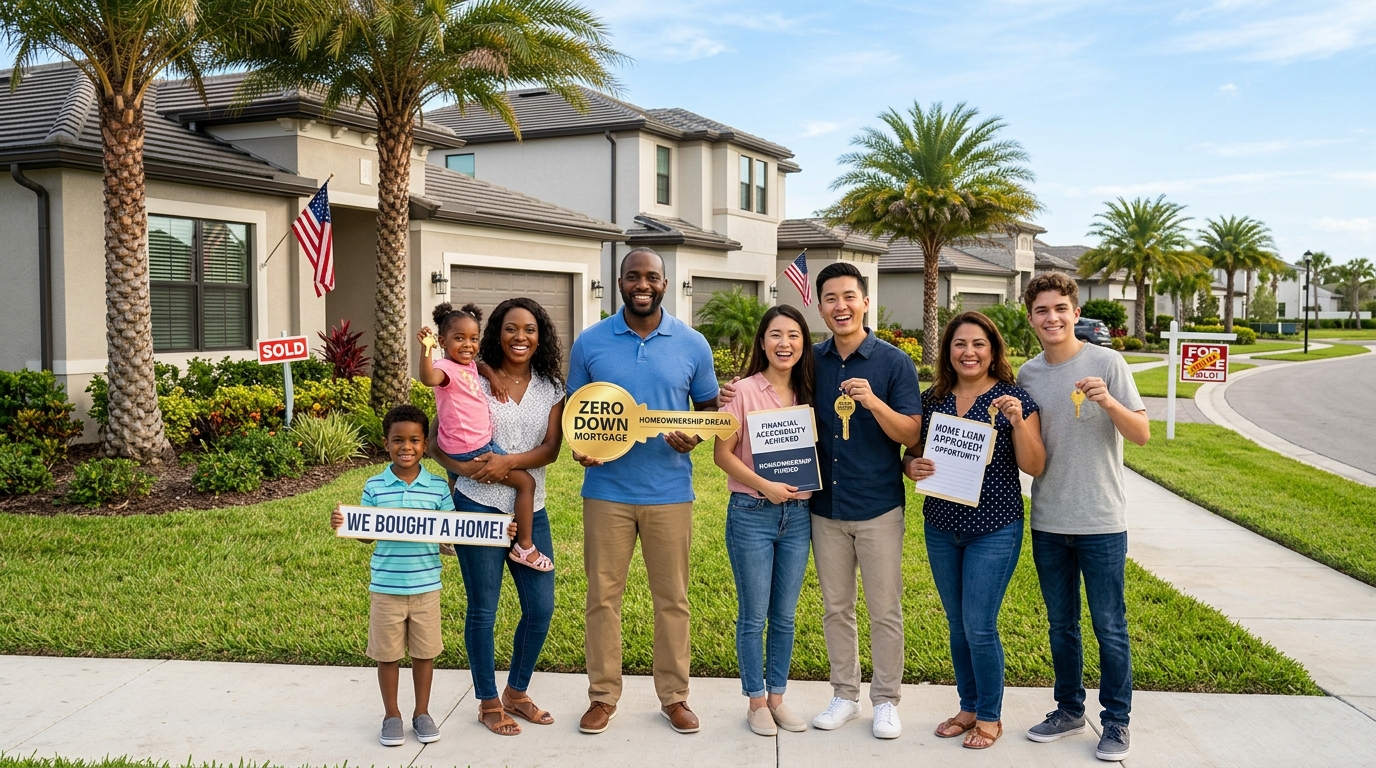
Yes, you can buy a house with no money down in 2026 — through VA and USDA loans, down payment assistance, and a few other programs. The barrier to homeownership isn't necessarily the size of your savings account anymore. It's understanding which programs you qualify for and taking the steps to apply.
If you're ready to explore your options or want to understand which programs might work for your situation, I'd love to help. As your real estate agent in Rosemary Beach, Florida, I stay current on financing options and can point you toward the resources you need. Homeownership might be closer than you think—sometimes it just takes the right guidance to get there.
When you're ready to take the next step, you can browse available properties on HOUSEJET to see what's available in your area, and then reach out to me at kinseyhaddock.housejet.com. Let's find your home together.